

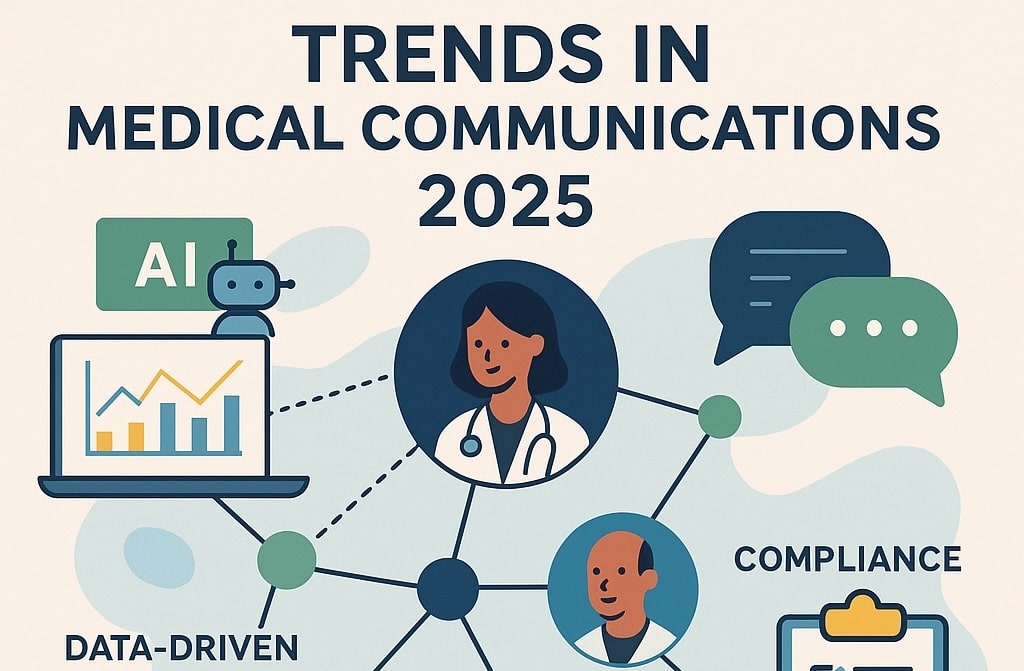
Automation can help healthcare organizations improve patient communication while reducing repetitive staff work. Automated appointment reminders, follow-up messages, and routine updates can deliver important information quickly and consistently. Some patient interactions still benefit from direct staff involvement, especially when conversations are sensitive, complex, or require personalized support. A thoughtful patient communication strategy can help healthcare teams use AI and automation effectively while maintaining a more personal care experience.
Communications That Can Be Automated
Routine, predictable communications are generally good candidates for automation. Appointment reminders are one of the most common uses of automated messaging in clinics. Automated texts, emails, or phone calls can remind patients about upcoming appointments, provide basic preparation instructions, and let them confirm or reschedule as needed.
You can also automate other administrative messages. You could automate prescription refill reminders, billing notifications, and requests for patients to complete forms before an appointment, among other examples. You might also use automation to remind patients about needed preventive care, like annual physicals, vaccinations, screenings, or regularly scheduled follow-up appointments.
Benefits of Automating Patient Messages
Automation can improve clinic efficiency and the patient experience. Staff members spend less time making repetitive phone calls and sending routine messages, so they have more time to focus on more complicated patient needs.
Automated messaging can also improve consistency. Patients will get reminders on a clear, established schedule, reducing the possibility that a busy employee overlooks sending an important notification. Because automated messages can be delivered through the patient’s preferred channels, they also make it easier for patients to respond when it’s most convenient for them. With automated messaging, your clinic can manage large volumes of messages without increasing your staff’s administrative work.
Communications That Should Stay Human
Sensitive, complicated, or emotionally impactful messages still need personal interaction. Delivering a serious diagnosis, talking about major changes to a patient’s condition, or explaining difficult treatment choices should involve a healthcare professional instead of an automated message.
Delivering information about unexpected test results also requires human contact. Even when results are fairly straightforward, patients can have questions that an automated system can’t answer. A healthcare professional can give the needed context and help the patient understand what additional care might be necessary. In the same thread, conversations about end-of-life care, major medication changes, or serious complications deserve personal attention from a human.
Finding the Right Balance
Automating medical communications shouldn’t replace human interaction altogether. Instead, use it to handle repetitive administrative tasks so your healthcare professionals are available for conversations that require empathy, judgment, clinical knowledge, or human reassurance. While automation is appropriate for a medical appointment reminder, carefully consider what other types of communication you’ll use it for, and whether or not that communication deserves a more human touch.
